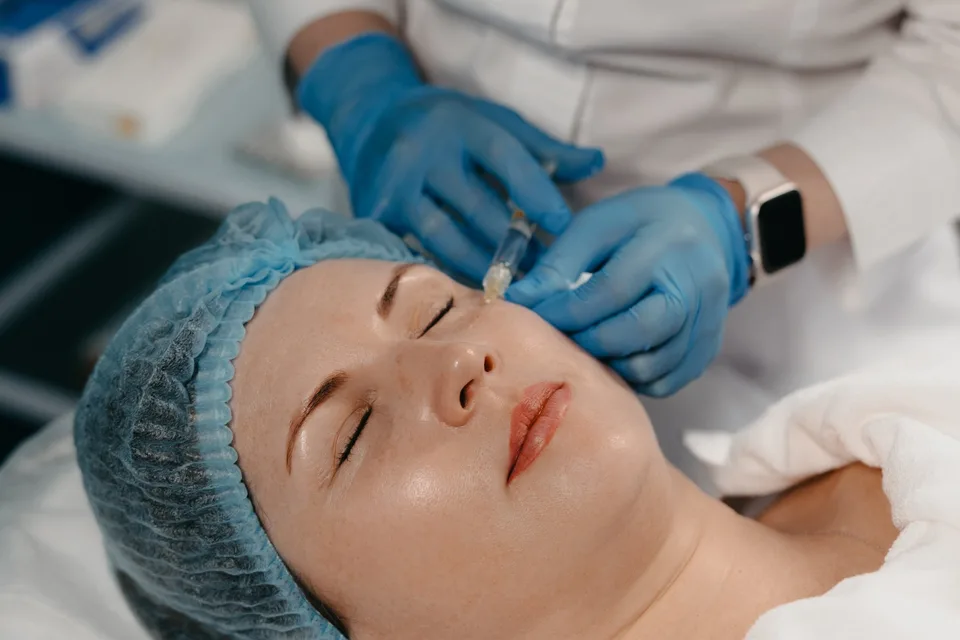
Modern aesthetic medicine offers many injectable treatments for rejuvenating the skin, and among them clients most often compare bioredermalisation and biorevitalisation. At first glance they look alike: both aim to hydrate, restore and improve skin quality. However, there are fundamental differences between them that affect the result and the choice of method.
What is biorevitalisation?
Biorevitalisation is an injectable treatment in which hyaluronic acid is introduced into the skin. Its main aim is to make up for a moisture deficit and stimulate the skin’s natural repair processes.
Hyaluronic acid can bind a large amount of water, which makes the skin more hydrated, smoother and firmer. It also creates a favourable environment for skin cells to work and supports the production of the skin’s own collagen and elastin.
After a course of treatments, clients usually notice:
- improved skin tone;
- less dryness and tightness;
- increased elasticity;
- a fresher, healthier complexion;
- smoothing of fine lines.
What is bioredermalisation?
Bioredermalisation is a more comprehensive method. In addition to hyaluronic acid, the products contain additional active ingredients, most often succinic acid (succinate), as well as antioxidants and substances involved in cellular metabolism.
This combination not only hydrates the tissues deeply but also activates the skin’s repair processes at cellular level and helps to deal with the effects of photoageing and oxidative stress.
That is why bioredermalisation is often recommended to clients with pronounced signs of ageing, a dull complexion and reduced skin density.
Key differences between bioredermalisation and biorevitalisation
| Biorevitalisation | Bioredermalisation |
|---|---|
| Main ingredient: hyaluronic acid | Hyaluronic acid plus additional biologically active substances |
| Main aim: intensive skin hydration | Hydration and comprehensive cellular repair |
| Well suited to preventing signs of ageing | More often used when signs of ageing are already visible |
| Improves hydration and elasticity | Additionally stimulates metabolic processes and antioxidant protection |
Which treatment should you choose?
The choice depends not on fashion trends but on the condition of your skin and your goals.
Biorevitalisation is more often recommended if:
- your skin has become dry and dehydrated;
- the first expression lines have appeared;
- you need to prevent signs of ageing;
- you need recovery after sun, stress or the heating season.
Bioredermalisation may be preferable if:
- your skin looks tired and dull;
- there is a loss of density and firmness;
- signs of ageing are pronounced;
- more intensive tissue repair is needed.
Which is more effective?
There is no single answer. You can’t say that one treatment is better than the other – they solve different problems.
If you think of the skin as fertile soil, biorevitalisation works like a deep watering, making up for a lack of moisture. Bioredermalisation combines the watering with feeding the soil with nutrients that help the cells work harder and recover faster.
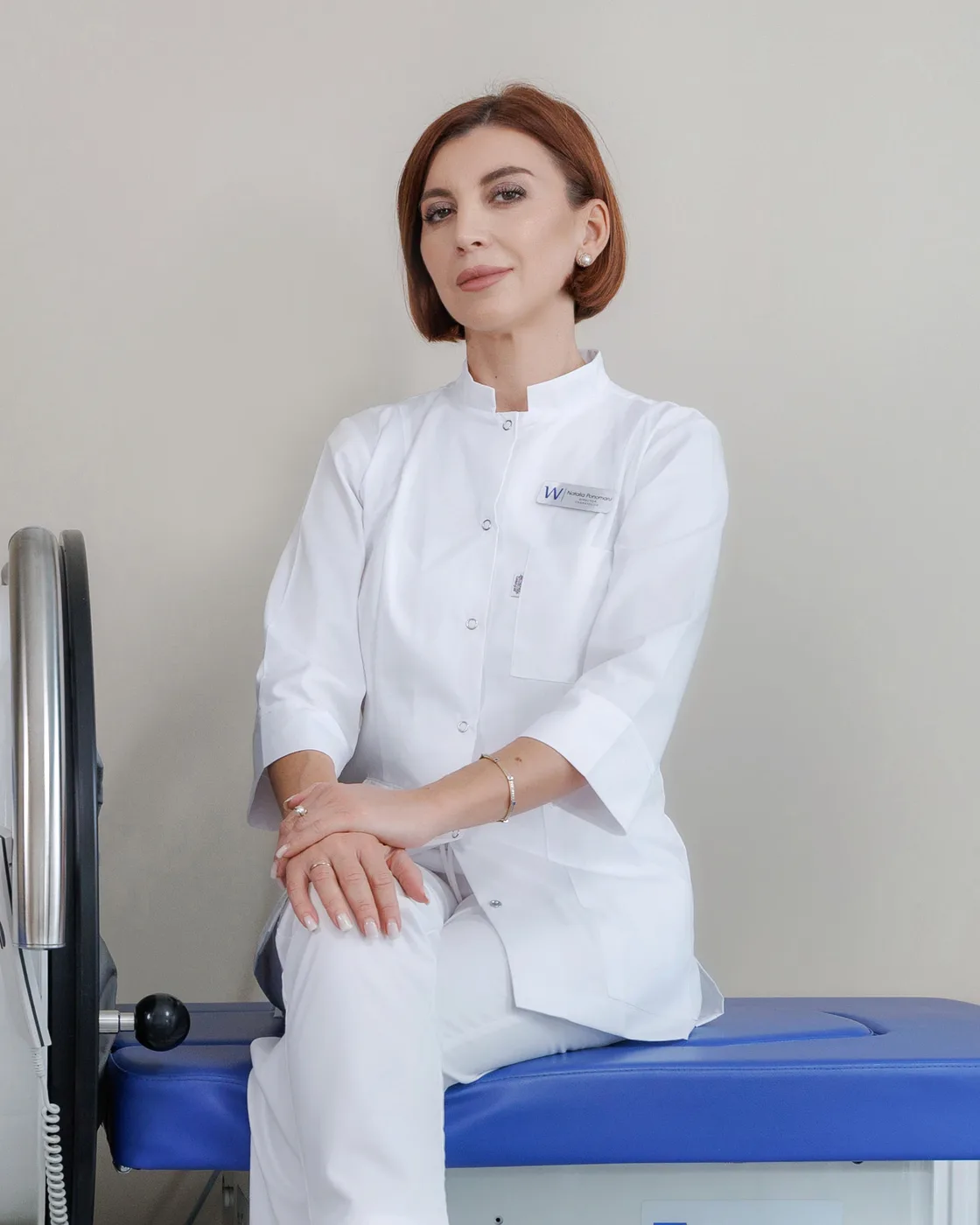
That is why a competent aesthetic doctor always chooses the method individually, after assessing the condition of the skin, the client’s age and the result they expect.
When will you see the effect?
Many clients notice the first changes after both treatments within a few days: the skin becomes more hydrated and gains a healthy glow.
The maximum result usually develops gradually over several weeks, as the natural processes of collagen synthesis and tissue renewal are activated. For a lasting effect, a course of several treatments is often recommended, with an interval determined by the doctor.
Safety of the treatments
When certified products are used and the injection technique is correct, both methods are considered safe. After the treatment, small papules, redness or slight swelling may appear at the injection sites – they usually go away on their own within a few days.
Before the treatment, a doctor’s consultation is always held to rule out contraindications and choose the best product.
Conclusion
Biorevitalisation and bioredermalisation are not competing but complementary methods of modern aesthetic medicine. The first focuses on deep skin hydration with hyaluronic acid; the second combines hydration with active stimulation of cellular metabolism thanks to additional ingredients.
A well-chosen treatment helps to improve skin quality, increase firmness, bring back a healthy glow and slow the signs of ageing. The best results are achieved with an individual approach and treatments performed by an experienced aesthetic doctor.